Right now, Britain is having the wrong argument about home upgrades.
We keep getting pulled into a debate about equipment, grants, and targets, like it’s a technical checklist.
But the real thing holding people back is much simpler.
It’s TRUST.
And here’s why that matters so much.
Home is not a product. It’s not a subscription you can cancel when it gets annoying. It’s where your kids sleep. It’s where you recover when you’re ill. It’s where you argue, laugh, worry about money, and try to feel safe.
It’s the one place most of us should be able to shut the door and breathe.
Make the home hold onto warmth so you’re not paying to heat the outside
George Clarke TV presenter, architect, writer and Ecodan Ambassador
Broken trust
So, when someone messes up work on your home, it isn’t just hassle. It feels personal.
You stop trusting the people doing the work, and you stop trusting the whole idea that “upgrading” your home is worth the risk.
That’s why the recent scandal around insulation and retrofit has hit such a nerve.
MPs have called for the Serious Fraud Office to investigate after major issues were identified in over 30,000 homes, with around 3,000 said to pose immediate health and safety threats.
External wall insulation was found to have significant problems in 98% of the installations inspected.
Just sit with that for a moment. That is not a minor snag list. That is people’s health. People’s savings. People’s confidence.
Warmer Homes
And this is exactly why the government’s new Warm Homes Plan is so important.
It’s the next big push to upgrade Britain’s draughty housing stock, cut bills, and speed up the move to clean heating.
It’s backed by serious public funding, and it will touch millions of households.
So, if we get this right, the upside is enormous.
If we get it wrong, the damage to trust could set us back a generation.
So, I welcome the ambition. But I want to be crystal clear about what comes next. This only works if we stop chasing headlines and start doing the basics brilliantly.
So, here’s the rule. FABRIC. CRAFT. TRUST.
A common sense approach
FABRIC FIRST is not just a slogan. It’s just common sense.
It means you fix the building before you change the heating.
You stop the heat escaping. You deal with draughts. You insulate the loft, the walls, the floors. You improve windows and doors where you can.
You make the home hold onto warmth, so you’re not paying to heat the outside.
When you do that, everything gets easier. Rooms warm up faster and stay warm. The heating can run lower and steadier.
Bills come down. Comfort goes up. And clean heating works better, because it isn’t being asked to fight a losing battle.
A heat pump for every home
The Warm Homes Plan itself admits we’ve gone backwards for years, with home insulation installations falling by more than 90% between 2010 and 2024.
That drop is not just a statistic. It’s draughts in real homes, damp corners, kids sleeping in cold rooms, and families watching the meter tick up.
I’m a big believer in air source heat pumps. They’re proven, they’re improving fast, and they can make homes properly comfortable.
But they’re not magic. They do their best work in homes that are already tighter, warmer, and more efficient. Nail the fabric, then heat pumps shine. That’s the basics. And that’s where the UK has to get much sharper.
But we also have to accept that because we have some of the oldest housing stock in Europe, many are beautiful period homes that are part of our history and architectural DNA, improving the thermal performance of the fabric to the highest standard may not be possible for many homeowners.
Any improvements should be encouraged and welcome, but because of the nature of old buildings it may be very difficult to get anywhere near to a ‘new build ecological standard’
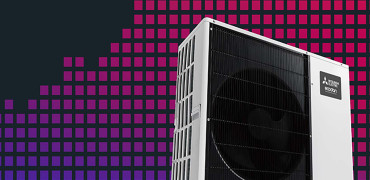
Mitsubishi Electric is very aware of this issue, because they understand Britain’s housing stock very well. That’s why they’ve developed the brilliant Ecodan R290 high-temperature heat pump, which can still perform very well in old buildings.
Doing it properly
Then comes CRAFT. Most people aren’t scared of new technology. They’re worried about disruption, mess, and mistakes.
And the insulation scandal shows exactly what happens when quality isn’t protected. It doesn’t just create a few bad installs. It creates a national trust crisis.
So “do it properly” has to become the culture.
Proper assessment. Proper design. Proper thinking. Proper commissioning. Proper handover.
This is where I’ve got huge admiration for brilliant installers and tradespeople, the ones who treat someone’s home like it matters, because it does.
They’re not fitting a box. They’re changing how a building lives and breathes.
If we want clean heating at scale, we have to champion that craft, reward it, and make it normal.
A long-term plan
And here’s the one that decides whether any of this takes off, TRUST.
Not nice words and big promises. Real trust. The kind you feel when you’re sitting at the kitchen table, looking at the numbers, thinking, can I afford this, will it be a nightmare, and if something goes wrong, who’s actually on my side?
That’s why the Warm Homes Plan matters. It’s £15 billion, with an ambition to upgrade up to 5 million homes and lift 1 million households out of fuel poverty by 2030.
But the bit I like is that it starts to feel like a proper long-term offer, not another stop-start scheme that leaves people guessing.
It keeps the £7,500 heat pump grant and gives the market longer runway, with the Boiler Upgrade Scheme set to rise to £2.7bn through to 2029/30. That’s the kind of stability that lets installers train up, and lets households plan when it suits them, not when their boiler gives up at the worst possible moment.
Rebuilding trust
Then there’s the part that could finally make this doable for ordinary households. Most people don’t avoid upgrades because they’re against them. They avoid them because the upfront cost can feel out of reach.
Even if it pays back over time, it’s hard to find thousands of pounds in one go when you’ve got rent or a mortgage, food shopping, kids, and everything else.
That’s why £2bn of government-backed low and zero-interest loans is so vital.
It’s the difference between having to find the money all at once and being able to spread the cost in a way that feels normal, like people do with a kitchen, a big holiday, or a car. For lots of households, that’s the moment the conversation shifts from “I’d love to” to “I can actually do it”.
The plan also widens options with a £2,500 grant for air-to-air heat pumps.
And it proposes a Warm Homes Agency from 2027, aiming to streamline delivery and improve consumer confidence.
Because people don’t just need money. They need a trusted route. One place to start, clear advice, and proper protection if something goes wrong. That’s how you rebuild trust.
Time to deliver
There’s a bigger opportunity here too, and it’s the bit I find genuinely exciting.
This is a skills story as much as it is a climate story. The plan talks about supporting up to 180,000 additional jobs in energy efficiency and clean heating by 2030, and it sets an ambition that 70% of heat pumps installed in the UK will be manufactured domestically by 2035.
That’s young people getting a proper trade. It’s small firms growing. It’s Britain making things again. It’s pride in work that improves lives.
So, here’s where I land. The Warm Homes Plan is a big step. But the real choice now is delivery. We either do this at pace and get the quality right, or we repeat the mistakes that wreck trust.
Retrofit done properly is one of the best things we can do for this country. It makes homes healthier and bills lower. It makes streets feel cared for. It gives young people a trade and a future. And yes, it makes clean heating, a sensible everyday choice, not a leap into the unknown.
FABRIC. CRAFT. TRUST. Do those three things right and the rest follows. People say yes. The market grows. Quality rises. Confidence comes back.
WARM HOMES, DONE PROPERLY. That’s what people deserve. Let’s crack on.
George Clarke is a TV presenter, architect, writer and Ecodan Ambassador