My recent visit to Chester Zoo was both insightful and endearing.
On a day when temperatures outside barely scraped above freezing, my colleagues and I walked through the zoo, bracing against the cold wind.
And yet, just a short distance away, the animals living in the zoo’s new hoofstock habitat were warm, comfortable, and thriving.
What kept them cosy? Not gas boilers, but innovative low-carbon technologies, most notably, Mitsubishi Electric’s heat pump solutions.
Heat pumps are supporting Chester Zoo’s ambitious decarbonisation journey
Vanessa Lee Sustainability Graduate at Mitsubishi Electric
The Savannah: Part of a landmark development
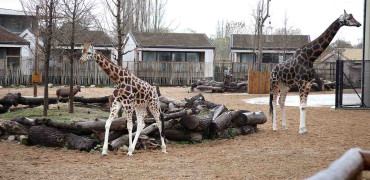
The savannah at Chester Zoo, which is home to zebras, roan antelopes, giraffes, ostriches, and warthogs, is part of the new Heart of Africa zone – the zoo’s largest development in more than a decade. This area offers the public a unique way of seeing animal care and environmental responsibility up close.
As a space designed to mimic the animals’ natural climates, ensuring stable temperatures is critical. Two CAHV air source heat pumps (ASHPs) deliver reliable warmth to this varied group of species.
The ASHPs can deliver water temperatures of up to 70°C and, for the animals in the hoofstock habitat, they provide a range of temperatures, typically between 18°C to 24°C, depending on what each species requires for optimum comfort and health.
Inside the habitat, radiant panels in the ceiling gently distribute the heat as opposed to the blasts of hot air normally delivered from an oil or LPG system. These panels create a warm, stable environment that feels far more natural.
Sustainable heating
The zebras, usually associated with the vast African savannah, appeared perfectly relaxed, sheltered from the British winter. Meanwhile, the warthogs and antelopes lounged in areas heated precisely to their preferred levels, helping to maintain their comfort and well-being.
The contrast between the frosty pathways under our feet outside, versus the warmth inside the hoofstock habitat highlighted the sheer practicality of heat pump systems in helping keep the animals warm and also supporting Chester Zoo’s ambitious decarbonisation journey.
It was a reminder that sustainability directly impacts lives, whether human or animal. Heat pumps, unlike traditional boilers, can help to drastically reduce carbon emissions, making them an ideal solution for just about any building, whether a home for a human or an animal species.
The Reserve Lodges: Comfort for Visitors
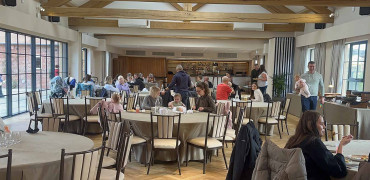
After exploring the animal areas, I was fortunate enough to visit Chester Zoo’s luxurious new guest lodges in The Reserve, where Chester Zoo extends its decarbonisation efforts to guest experiences.
My colleague Wranga has written more about these luxurious and unique places to stay, which you can read about by clicking on this link.
Here, too, Mitsubishi Electric’s innovative, low-carbon solutions are incorporated in its design. Each lodge is equipped with an Ecodan heat pump paired with a Mr Slim air conditioning unit, ensuring that visitors remain warm in winter and cool in summer.
These systems quietly and effectively maintain a comfortable indoor environment. By integrating efficient heating and cooling solutions, Chester Zoo proves that decarbonisation can enhance both animal welfare and visitor satisfaction.
Reflections
Walking through the collection of 51 lodges and understanding the wider energy efficiency strategy behind them gave me a deeper appreciation for the zoo’s commitment to sustainability.
As a world-leading conservation and education charity, the zoo is committed to preventing extinction and dedicated to raising awareness of key conservation and environmental challenges.
The zoo is now working with Mitsubishi Electric to decarbonise heating across its site in Cheshire as part of its drive to reach net zero.
So, Chester Zoo is not only creating comfortable spaces but also demonstrating what the future of environmental responsibility in visitor attractions can look like. By investing in ASHPs and energy-efficient heating and cooling systems, the zoo is actively reducing its carbon footprint while ensuring the animals and visitors enjoy a safe and welcoming environment.
This visit not only strengthened my understanding of heat pump applications but also gave me a renewed respect for the role that decarbonisation plays in creating a better future for animals and the environment.
Witnessing these technologies in action has reshaped my perspective on what modern conservation zoos can achieve when conservation and sustainability intertwine.
Vanessa Lee is a Sustainability Graduate at Mitsubishi Electric